Debt4k Full !link! May 2026
WAXP can quickly export all contacts from your groups to a CSV file.
Get WAXP for Chrome(10,000+ Downloads)
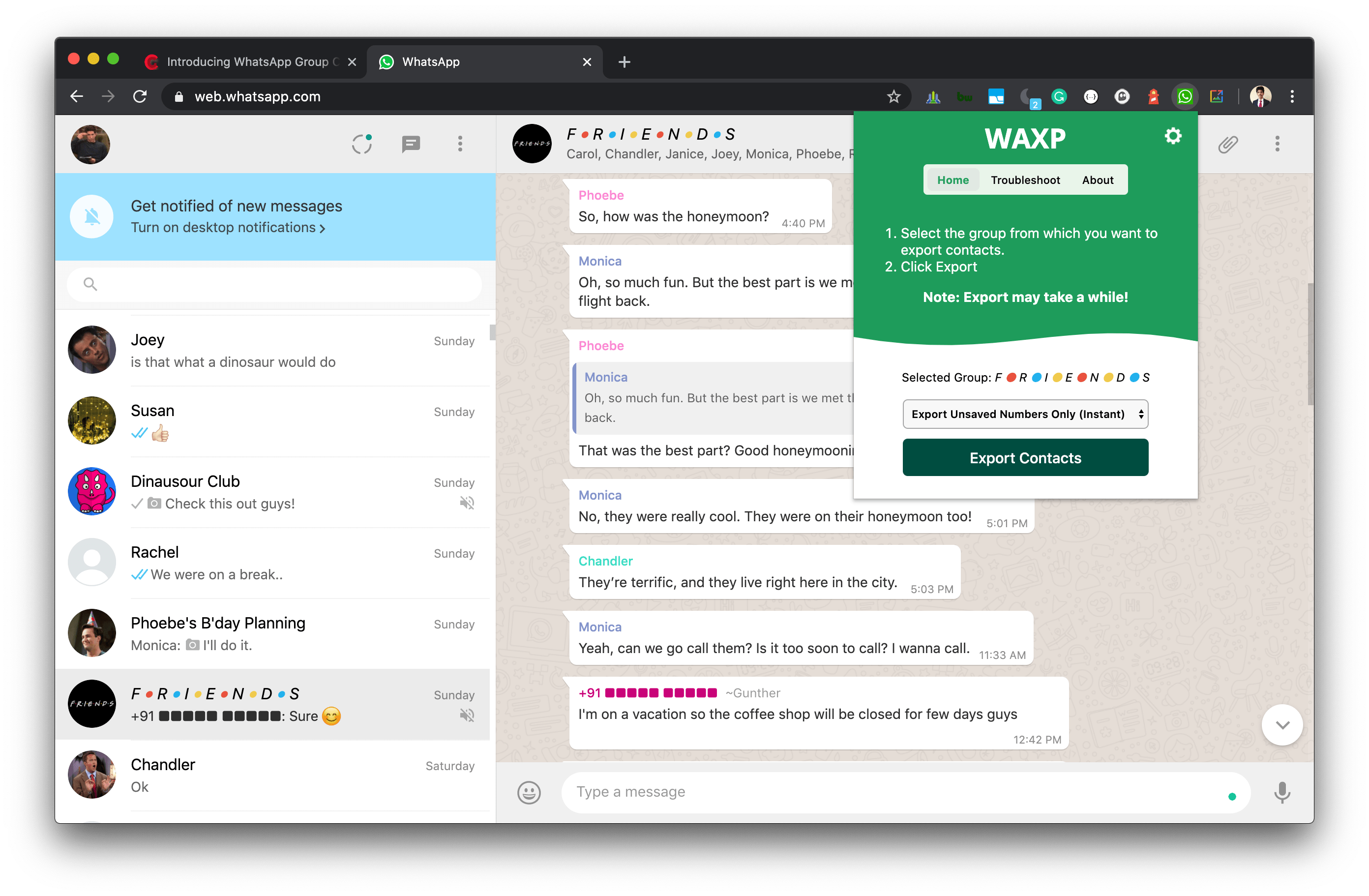
WAXP can quickly export all contacts from your groups to a CSV file.
Get WAXP for Chrome(10,000+ Downloads)
— Marlon Mesa
— Anderson Prado
— Don Lucero
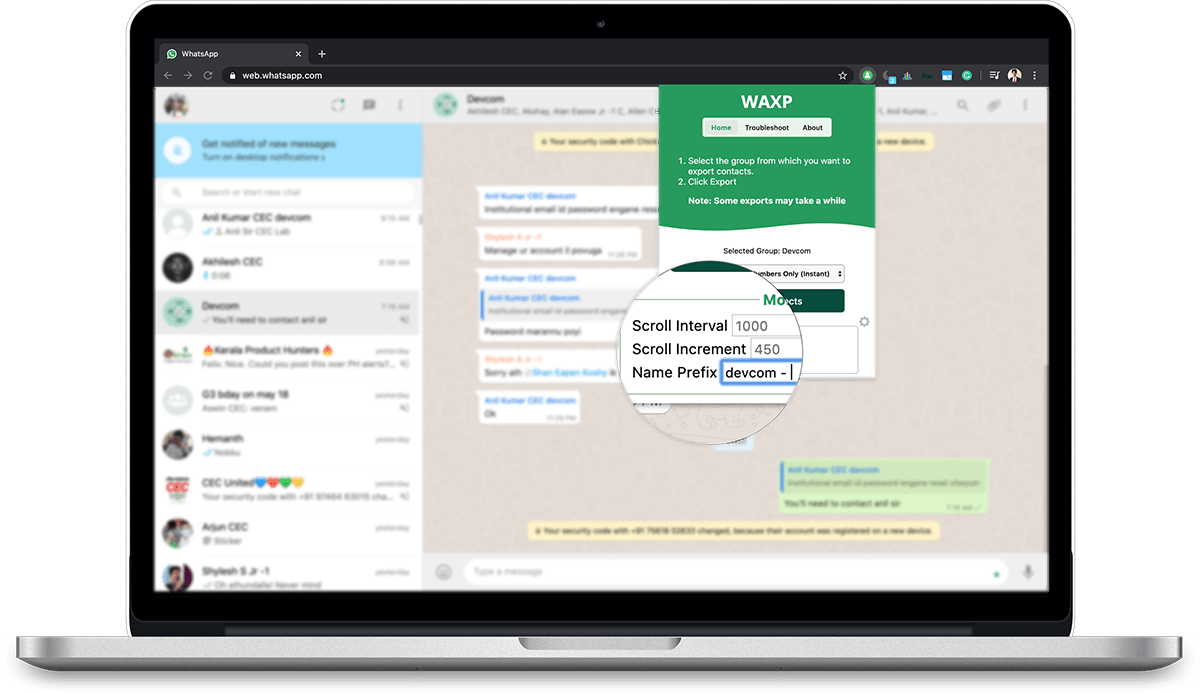
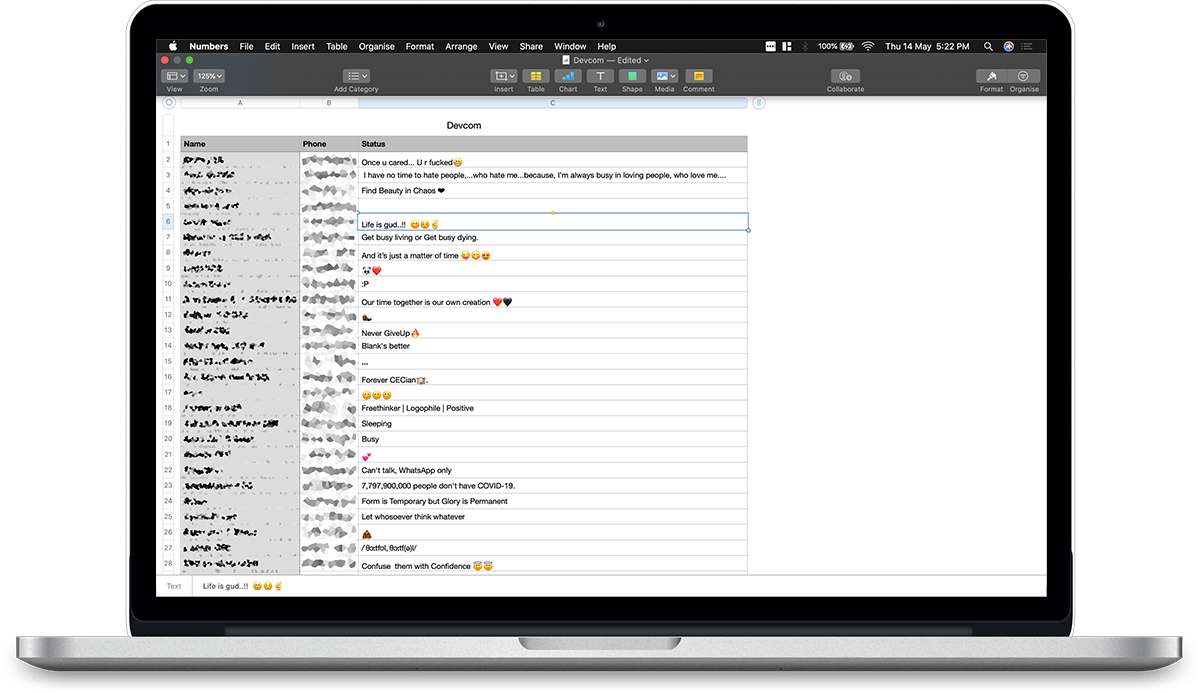
WhatsApp Contacts Exporter by Codegena can export contacts from Chatlist, Groups and Labels.
Get started with a free trial. No credit card required, cancel anytime.
"debt4k full" — at first glance it reads like a terse label, a filename, a status flag in a database. Peel back the layers and it becomes an arresting phrase that points to the contemporary frictions of household finance, digital reporting, and the human stories wrapped inside rows of numbers. This editorial explores what "debt4k full" could mean across three overlapping lenses: data systems and scale, policy and public consequences, and the lived experience of indebtedness. Concrete examples show how a compact tag can reveal large structural dynamics. 1) Data systems and scale: how "debt4k full" signals a threshold In modern finance, shorthand labels are everywhere — flags that trigger workflows, limit checks or regulatory reports. Imagine a mortgage-servicing platform that stores loan-level metadata. A status field called debt4k marks accounts with outstanding principal of $4,000 or more. When that field reads "full," it might trigger automated collection attempts, prevent refinancing, or escalate to legal review.
Example: A city-run rental assistance program offers relief only to tenants whose arrears exceed $4,000. Once a landlord or system marks a tenant "debt4k full," that tenant becomes eligible for a certain queue — but also may become visible to eviction attorneys who triage by higher-amount accounts. Some tenants just below the $4,000 line receive no support and remain at severe risk; those just above get routed into an overburdened program. debt4k full
Fixes: Precise data contracts, clear versioned schema, and automated reconciliation jobs that verify flags align with live balances. Regular audits to confirm what “full” means in practice and human review triggers before irreversible actions (e.g., litigation). If labels like "debt4k full" are unavoidable in large systems, design choices matter. Systems should be resilient to error, transparent to affected people, and constructed with humane defaults. "debt4k full" — at first glance it reads
Conclusion "debt4k full" is more than a label: it’s a concentrated symbol of how modern financial life is governed by terse tokens in large-scale systems. Those tokens enable efficiency, but they also channel power. The policy, technology, and human-centered remedies are straightforward: define labels precisely, build humane operational safeguards, and keep people — not tokens — at the center of decision-making. When we treat flags like "debt4k full" as mere data, we risk overlooking the lives they represent; when we design systems that respect those lives, even compact labels can be instruments of fairer outcomes. Concrete examples show how a compact tag can
Why this matters: Labels interact with power dynamics. Once you’re marked, systems often assume a risk profile and act accordingly. The human cost isn’t only dollars — it’s lost opportunity, stress, stigma, and constrained choices. What does "full" actually mean? Is it “balance >= 4000,” “ever had 4k+,” or “currently delinquent with 4k+ owed”? Ambiguous semantics lead to overreach.