- or $119 if paid with crypto -
Buy for MetaTrader 4- or buy from MQL5 App Store - Congenital heart disease (CHD) is a type of
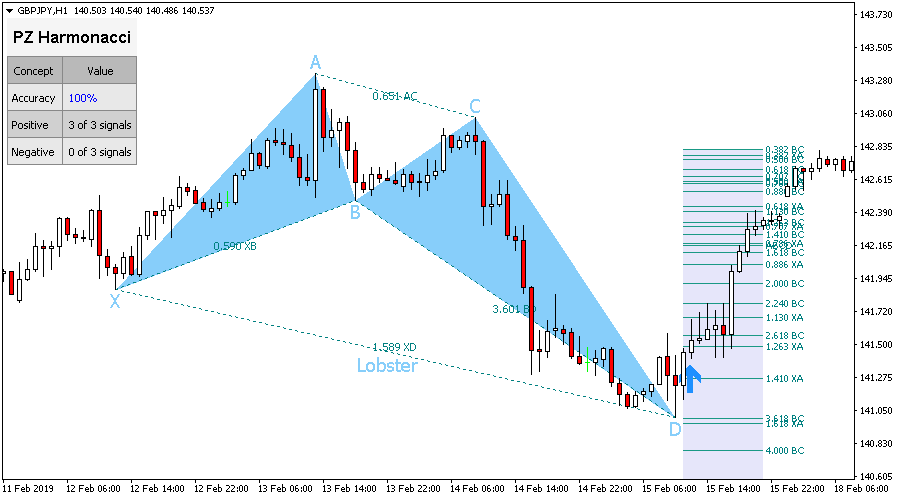
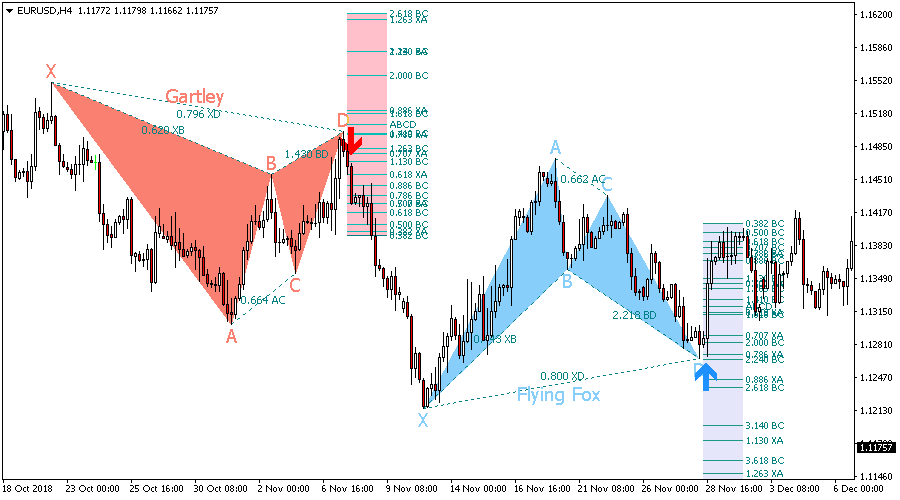
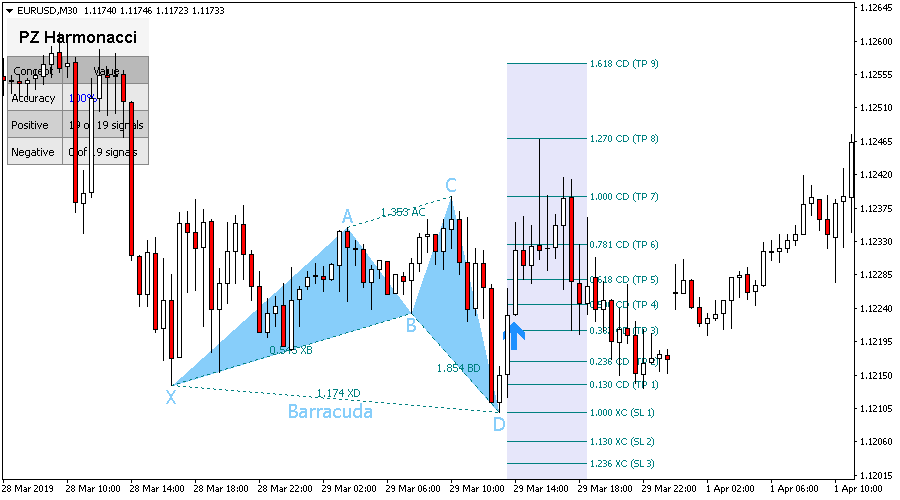
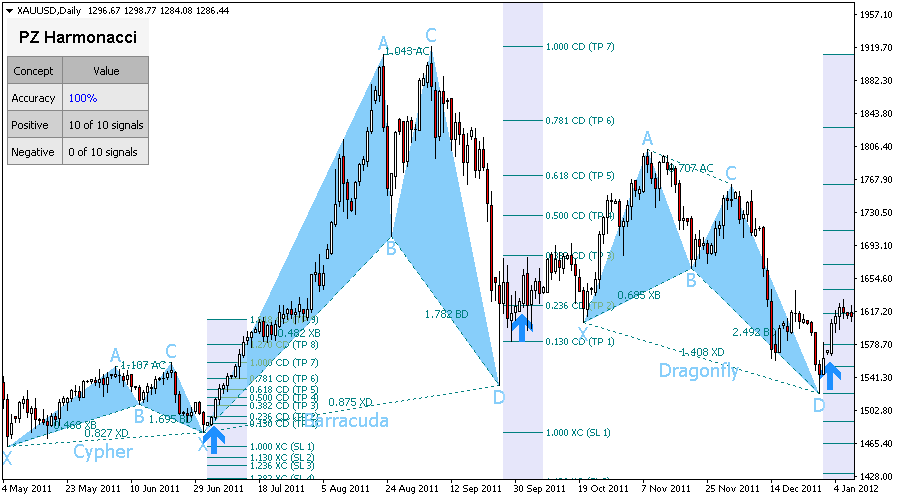
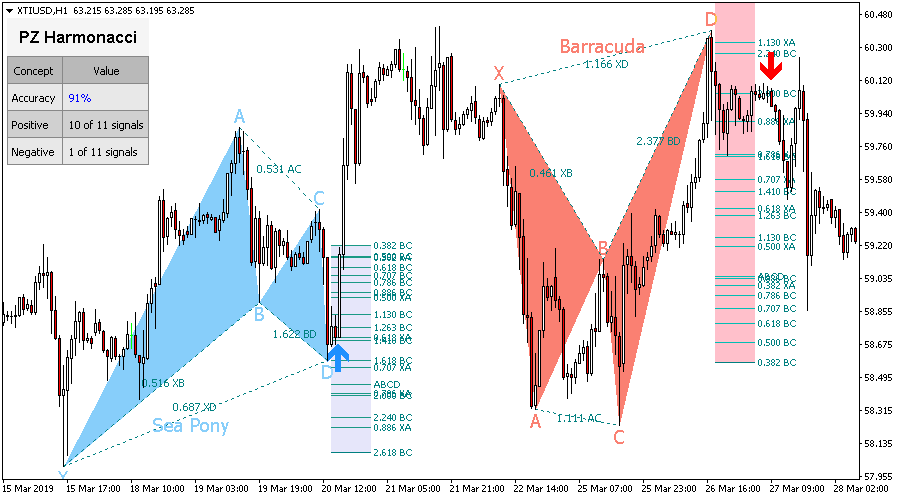
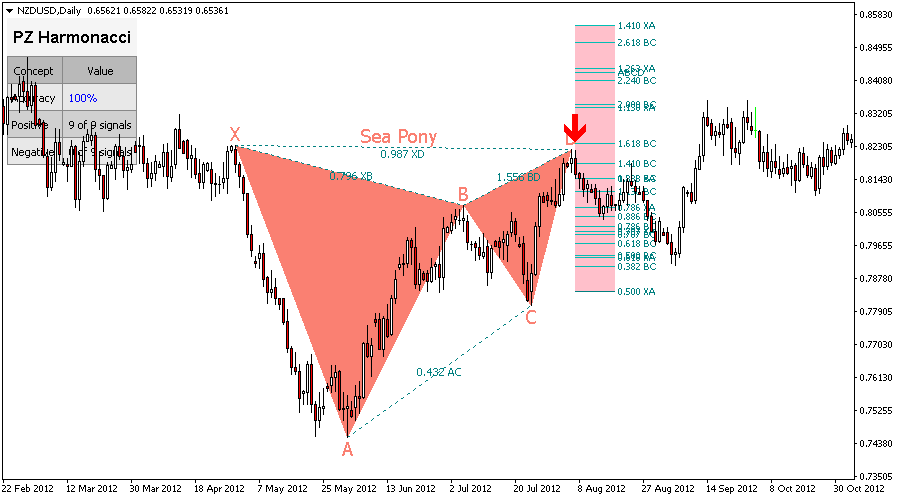
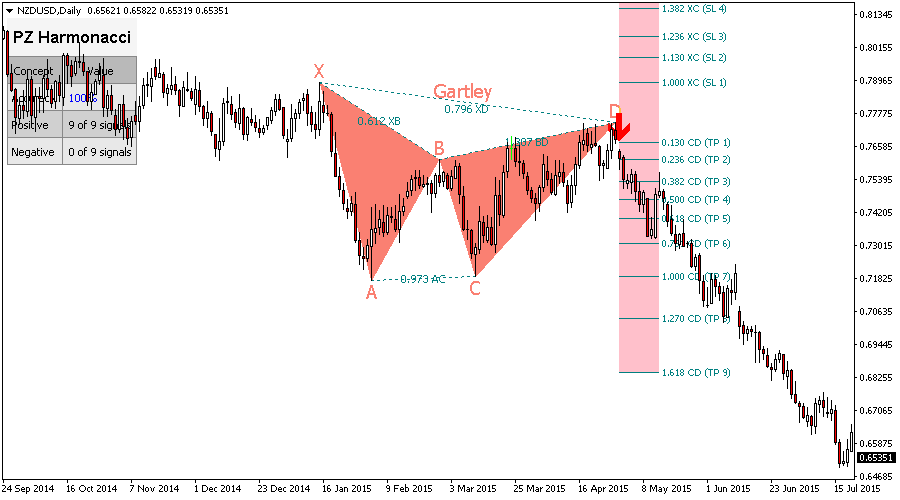
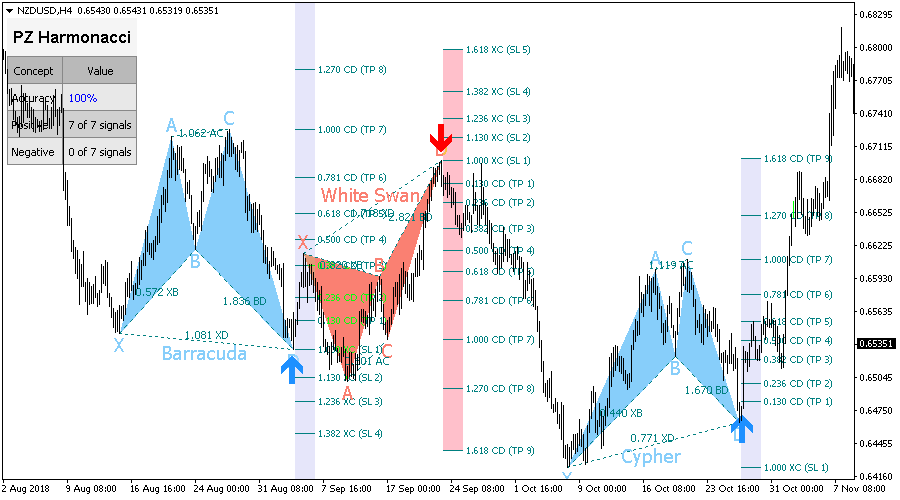
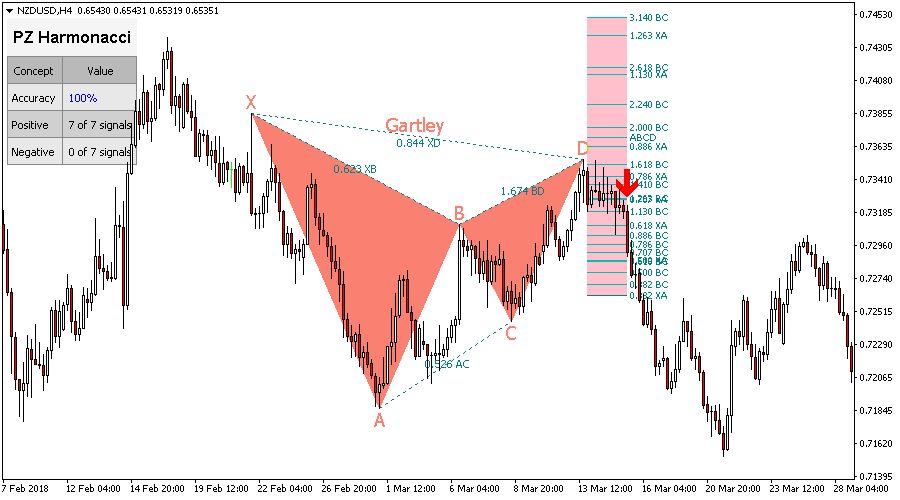
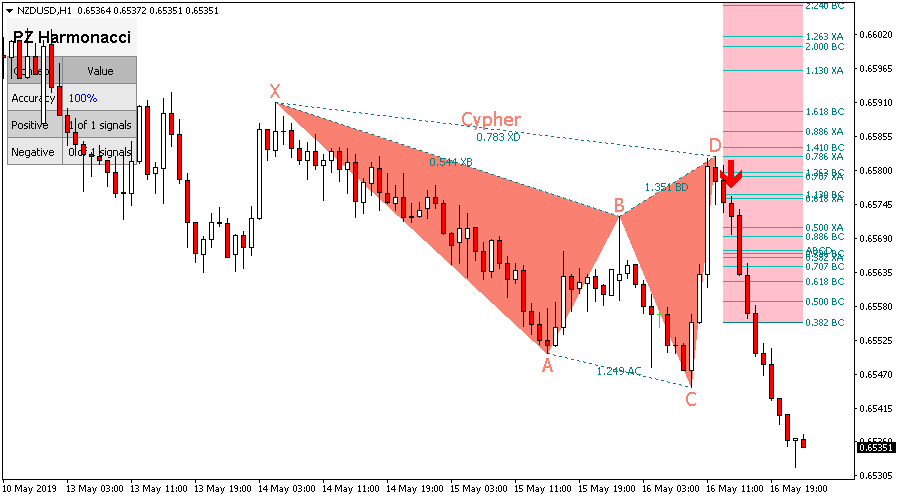
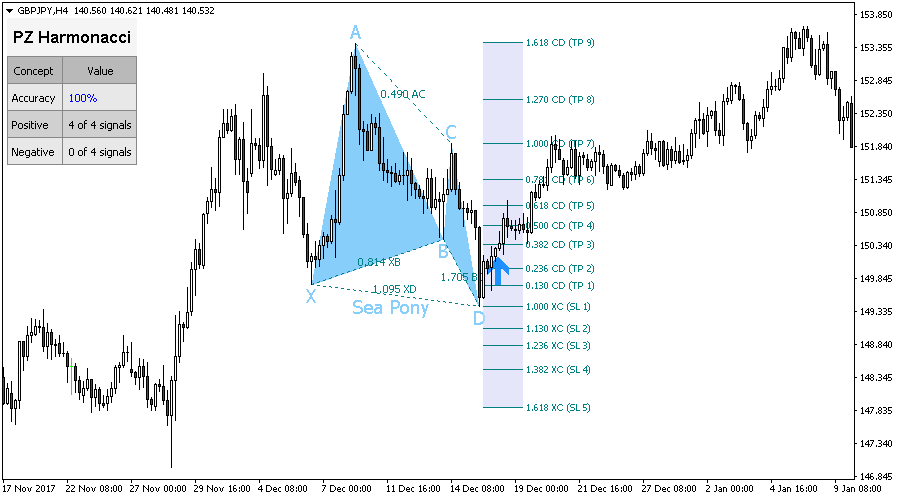
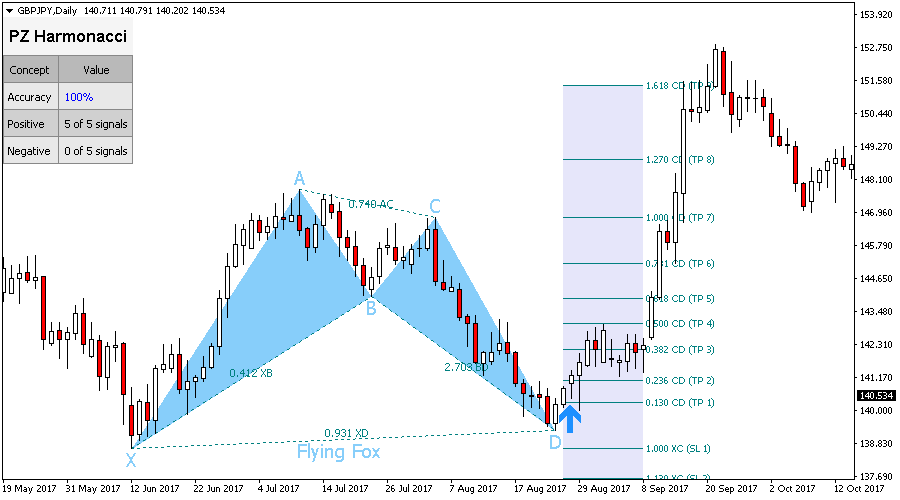
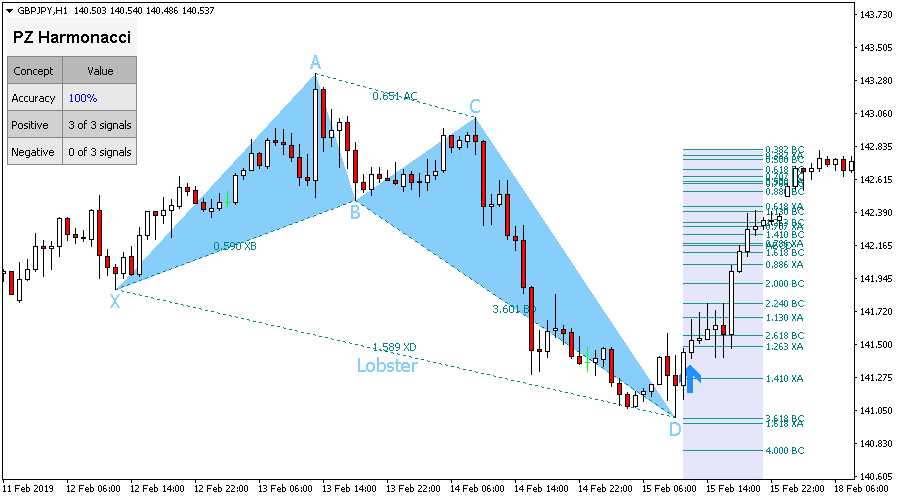
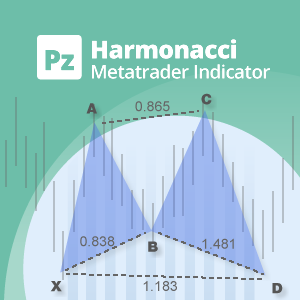
For MetaTrader 4 For MetaTrader 5If you're tired of chasing trades and second-guessing chart noise, this tool flips the script. Harmonacci Patterns does the heavy lifting: it hunts down 19 powerful harmonic price formations, draws the key reversal zones, and signals the breakout only when the setup makes sense. In this paper, we will discuss the clinical
Congenital heart disease (CHD) is a type of heart defect that is present at birth. It is a common condition, affecting approximately 1 in 100 live births worldwide. Early recognition and diagnosis of CHD are crucial for optimal management and outcomes. In this paper, we will discuss the clinical recognition of congenital heart disease, with a focus on the key signs, symptoms, and diagnostic tools.
Congenital heart disease is a significant public health concern, with a prevalence of approximately 1% of live births. The most common types of CHD include ventricular septal defects (VSD), atrial septal defects (ASD), patent ductus arteriosus (PDA), and tetralogy of Fallot (TOF).
Would you like to me provide you its pdf version or any modifications?
In conclusion, clinical recognition of congenital heart disease requires a thorough understanding of the common signs, symptoms, and diagnostic tools. Early recognition and diagnosis are critical for optimal management and outcomes. Healthcare providers should be aware of the key features of CHD and refer suspected cases to a pediatric cardiologist for further evaluation and management.
Axi is a globally regulated broker offering tight spreads, a wide range of instruments, segregated client funds, and full support for algorithmic traders.
Trade forex, indices, commodities, stocks, and crypto with raw spreads, lightning-fast execution, and leverage of up to 1:1000.
By trading your account, you are participating in Axi's free capital allocation program, which can fund you with up to $1,000,000. All you need is a $500 live account and to complete 20 trades to become eligible.
Good one. Better than all other indicators you have.
Very accurate signals.
I’m a veteran and have seen a lot of garbage, but this is by far one of the most useful tools I’ve come across. I rarely leave reviews, but this one truly deserves it.
The Harmonic Pattern tool works best on higher timeframes. With the right setup and patience, it delivers great signals. Support is quick and helpful.
I’ve used this indicator for 7 months. It’s extremely helpful and has made a noticeable difference in my results. I never trade without it anymore.
PZ indicators truly deliver. My Harmonics tool gave me 81% return in month one. Now my wife trades with them too. Just great tools!
PZ Harmonnaci is easy to use and has great customization options. It’s not a signal generator, but a perfect strategy companion.
PZ Harmonic changed my trading. I earned over 100 pips in just four days while keeping risk low. Finally enjoying my trades!
Bought the Harmonic indicator, placed two trades the first night, and gained 40 pips on each. So far, it’s looking very promising.
Congenital heart disease (CHD) is a type of heart defect that is present at birth. It is a common condition, affecting approximately 1 in 100 live births worldwide. Early recognition and diagnosis of CHD are crucial for optimal management and outcomes. In this paper, we will discuss the clinical recognition of congenital heart disease, with a focus on the key signs, symptoms, and diagnostic tools.
Congenital heart disease is a significant public health concern, with a prevalence of approximately 1% of live births. The most common types of CHD include ventricular septal defects (VSD), atrial septal defects (ASD), patent ductus arteriosus (PDA), and tetralogy of Fallot (TOF).
Would you like to me provide you its pdf version or any modifications?
In conclusion, clinical recognition of congenital heart disease requires a thorough understanding of the common signs, symptoms, and diagnostic tools. Early recognition and diagnosis are critical for optimal management and outcomes. Healthcare providers should be aware of the key features of CHD and refer suspected cases to a pediatric cardiologist for further evaluation and management.