



















[Renderverse Collection – BIG ALBUM 2026]
.

CODE DISCOUNT: 3DMILI20
Framestoring, on the other hand, refers to the process of storing individual frames of a video as separate images. This allows for a range of applications, including frame-by-frame analysis, slow-motion video, and even creating GIFs.
ffmpeg -i input.mp4 -vf fps=1 output_%03d.png This command takes the input video file, extracts individual frames at a rate of 1 frame per second, and outputs them as PNG images.
To framestore a video file using FFmpeg, you can use the following command:
Remuxing is the process of re-packaging a video file from one container format to another without re-encoding the video or audio streams. This process allows you to change the container format of your video file, such as from MKV to MP4, without affecting the quality of the video or audio.
Are you tired of mediocre video quality? Do you want to take your video experience to the next level? Look no further than remuxing and framestoring. In this comprehensive guide, we'll explore the world of remuxing and framestoring, and show you how to unlock the full potential of your video files.
Remuxing and framestoring are powerful tools for enhancing your video experience. With the right tools and techniques, you can unlock the full potential of your video files and take your video processing skills to the next level. Whether you're a video enthusiast or a professional, we hope this guide has provided you with the knowledge and inspiration to get started with remuxing and framestoring.
ffmpeg -i input.mkv -c copy output.mp4 This command takes the input MKV file, copies the video and audio streams without re-encoding, and outputs an MP4 file.
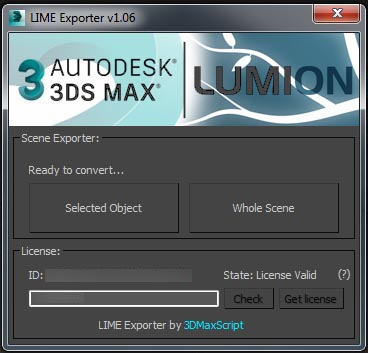
Lime Exporter is a tool who allow you to export all textures and scene ready to work to LUMION.
This tool allow to convert Vray or Corona and Fstorm to Lumion.
It’s not a simplicity Exporter, it’s keep all the compatible settings… Remux-framestor
Export all the scene or only selected Object… See how many instance it’s necessary to convert…
Real time informations for the convertion state.
Keep your plugin up to date with the internal update fonction.
Drag and Drop LMInstaller.mse to your 3dsmax viewport and let’s the plugin install. Framestoring, on the other hand, refers to the
Uninstaller is include to remove all (Lime Exporter) files.
Connection internet is needed (Need Internet connection to initiate your Key license).
License are by month/year and unique by Computers/Users. To framestore a video file using FFmpeg, you
Compatible with 3dsmax 2014 up to 2021.
Compatible with Lumion up to 10.
enjoy !

Framestoring, on the other hand, refers to the process of storing individual frames of a video as separate images. This allows for a range of applications, including frame-by-frame analysis, slow-motion video, and even creating GIFs.
ffmpeg -i input.mp4 -vf fps=1 output_%03d.png This command takes the input video file, extracts individual frames at a rate of 1 frame per second, and outputs them as PNG images.
To framestore a video file using FFmpeg, you can use the following command:
Remuxing is the process of re-packaging a video file from one container format to another without re-encoding the video or audio streams. This process allows you to change the container format of your video file, such as from MKV to MP4, without affecting the quality of the video or audio.
Are you tired of mediocre video quality? Do you want to take your video experience to the next level? Look no further than remuxing and framestoring. In this comprehensive guide, we'll explore the world of remuxing and framestoring, and show you how to unlock the full potential of your video files.
Remuxing and framestoring are powerful tools for enhancing your video experience. With the right tools and techniques, you can unlock the full potential of your video files and take your video processing skills to the next level. Whether you're a video enthusiast or a professional, we hope this guide has provided you with the knowledge and inspiration to get started with remuxing and framestoring.
ffmpeg -i input.mkv -c copy output.mp4 This command takes the input MKV file, copies the video and audio streams without re-encoding, and outputs an MP4 file.


